Sohaib Hussain Shah

Resume

Sohaib Hussain Shah

Associate Team Lead & React Native Engineer

Available for opportunities
sohaibhussain456@gmail.com+92 318 7431934Okara, Punjab, PakistanLinkedIn ↗GitHub ↗

I build mobile and web experiences that people actually use.

I'm a React Native Engineer and Associate Team Lead with 2+ years of experience in production environments — currently building at an early stage of my career while already taking on responsibilities typically seen in mid-level and senior engineers.

Primary Skills

Tools and technologies I use in production, grouped by area.

Frontend Development

React.jsNext.jsTypeScriptJavaScriptTailwind CSSReact Native

Mobile Development

iOSAndroidExpoEAS BuildRN Reanimated

State & APIs

Redux ToolkitZustandREST APIsFirebase

Backend & Databases

Node.jsExpressMongoDBSupabasePostman

Tools

Android StudioXCodeGit / GitHubFigmaVercel

AI Agents & IDEs

AntigravityClaudeCursorCodex

Skills Summary

A condensed breakdown of what I'm proficient in and familiar with.

Core

React NativeExpoReactNext.jsNode.jsExpress.jsJavaScriptTypeScript

Mobile

AndroidiOSNative ModulesDeep LinkingPush NotificationsIn-App PurchasesApple PayStripe

Libraries & APIs

Apollo GraphQLAWS S3web3.jsREST APIs

Databases

MongoDBMySQLRedisSQLite

DevOps & Tools

GitGitHubGitHub ActionsCI/CDFastlanePostman

Analytics

GA4CleverTapRudderStackAdjustWebEngage

Industry Experience

CryptoStocksAquanowAlpacaLeantechOnfidoSubscriptions

React Native Expertise

Advanced React Native skills and knowledge for building high-performance mobile applications.

  • React Native Reanimated, React Native Skia, and React Native Gesture Handler for 60FPS animation
  • React Native Brownfield for integrating native apps
  • React Native Uniwind and React Native Restyle for styling
  • HeroUI Native and Expo UI for native components
  • Hermes v1, React Native Nitro, TurboModules, and the Fabric renderer
  • Deep working knowledge of 33 core JavaScript concepts

Experience

Roles held, in reverse chronological order.

Dev Entity

Associate Team Lead

Dev Entity · Full-time

Jan 2026Present(7 mos)

Okara District, Punjab, Pakistan · On-site

Promoted to Associate Team Lead after demonstrating strong ownership and delivery on multiple production projects. Leading a front-end team of 3–5 engineers while continuing to contribute hands-on to React Native development.

Key Responsibilities

  • Led a front-end team of 3–5 engineers across sprint cycles, improving delivery coordination and ensuring on-time execution across multiple concurrent projects.
  • Improved code quality and reduced rework by introducing structured code review practices and documentation standards across the team.
  • Increased alignment between product and engineering by translating Figma designs and requirements into clear technical execution plans.
  • Mentored 2 junior developers through pair programming and structured feedback sessions, improving onboarding speed and code consistency.
  • Acted as primary engineering point of contact for stakeholders, identifying risks early and ensuring smooth delivery of features across sprints.

Key Impact & Achievements

  • Promoted from React Native Developer to Associate Team Lead within 1 year 5 months.
  • Reduced rework through structured code review and documentation standards.
  • Improved onboarding speed for 2 junior developers through pair programming.
React NativeTypeScriptExpoRedux ToolkitREST APIsGitAgile / ScrumFigmaTeam LeadershipSprint Planning
Dev Entity

React Native Developer

Dev Entity · Full-time

Sep 2024Jan 2026(1 yr 5 mos)

Okara District, Punjab, Pakistan · On-site

Joined Dev Entity as a React Native Developer, contributing to production mobile and web applications with a focus on performance, maintainability, and pixel-perfect implementation.

Key Responsibilities

  • Contributed to multiple mobile and web applications, including long-term ownership of a production-grade application with continuous feature development and maintenance.
  • Integrated REST APIs and third-party SDKs (authentication, push notifications, payments), enabling scalable and real-time mobile features.
  • Reduced UI inconsistency by implementing pixel-perfect responsive designs from Figma across iOS and Android platforms.
  • Improved development workflow by maintaining structured Git practices including feature branching, pull requests, and peer code reviews.
  • Participated in sprint planning and architectural discussions, influencing technical decisions for new feature development.

Key Impact & Achievements

  • Improved application performance by ~20–30% through memoization, lazy loading, and efficient list rendering strategies.
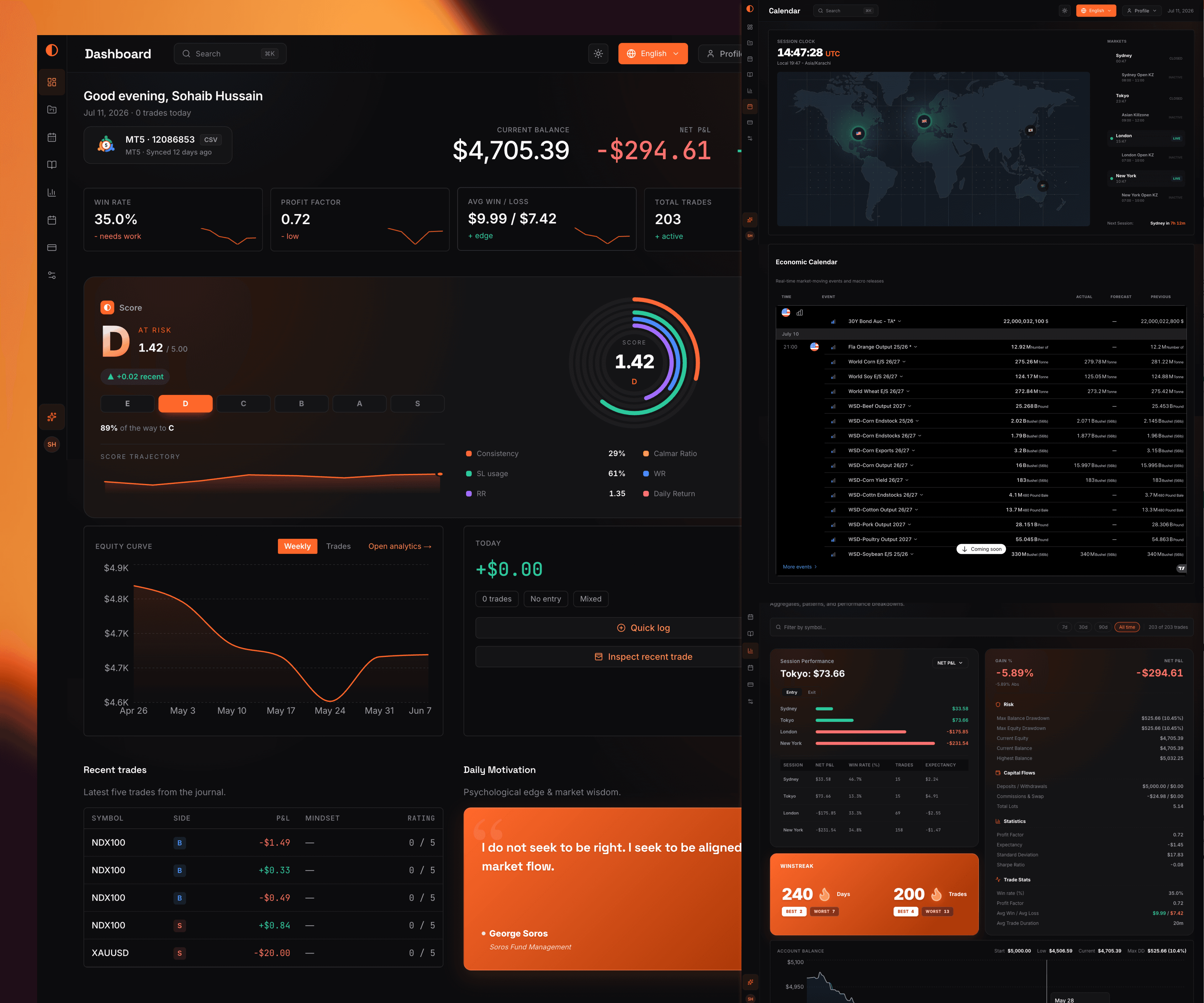
  • Long-term ownership of a core production application — continuous feature development, performance optimization, and bug resolution.
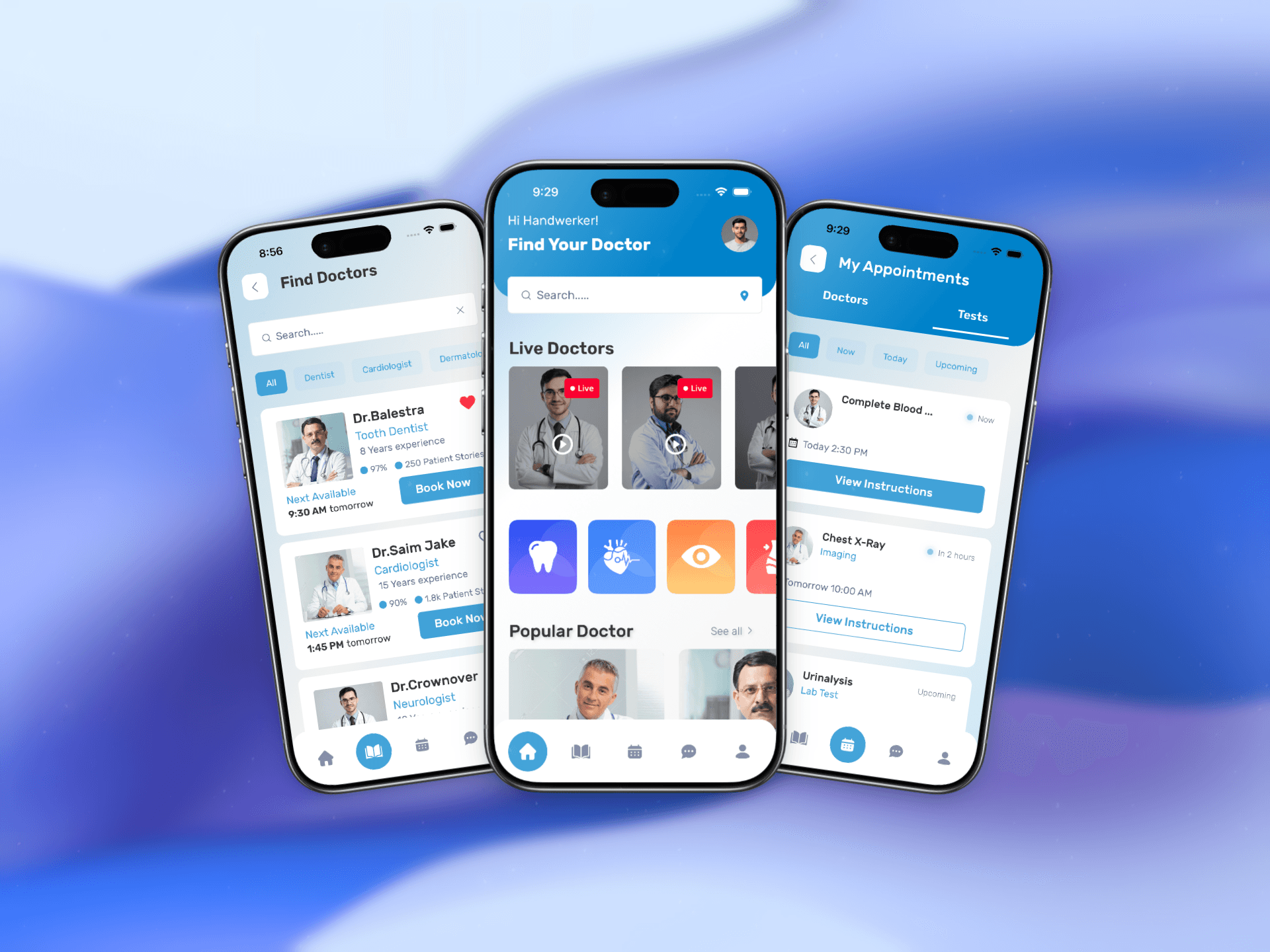
  • Additional enterprise mobile app work under NDA — contributed to large-scale production features.
React NativeTypeScriptJavaScriptExpoRedux ToolkitZustandREST APIsGitGitHubFigmaFirebasePush Notifications
Prodigy InfoTech

React Developer

Prodigy InfoTech · Internship

Aug 2024Sep 2024(2 mos)

Remote

Fast-paced remote internship building React.js UI modules and integrating REST APIs for dynamic data display.

Key Responsibilities

  • Built 5+ React.js-based UI modules and responsive web features during a fast-paced internship program.
  • Integrated REST APIs to display dynamic data across multiple components and small-scale applications.
  • Improved code structure by developing reusable components, increasing maintainability across assigned tasks.
  • Delivered features independently within sprint deadlines in a remote agile environment.
  • Used Git and GitHub for version control, feature submission, and collaborative workflow management.

Key Impact & Achievements

  • Delivered all assigned modules on time in a fully remote, agile environment.
  • Improved component maintainability through reusable architecture.
React.jsJavaScriptTailwind CSSREST APIsGitGitHubResponsive Design

Featured Projects & Open Source

A sample of shipped work — mobile apps, websites, and published packages.

Education

Academic background and qualifications.

University of Okara

Bachelor of ScienceComputer Science

University of Okara

Oct 2024Oct 2028
Punjab Group Of Colleges

IntermediateICS (Intermediate in Computer Science)

Punjab Group Of Colleges

20222024
Army Public School & College System (APSACS)

MatriculationScience

Army Public School & College System (APSACS)

20202022

React Native Notes

Guides and service pages I'd share with teams on performance, architecture, Expo, testing, releases, or hiring help.

React Native Performance Optimization

A pillar guide for reducing startup time, improving rendering, and fixing the most common performance bottlenecks.

Expo vs Bare Workflow

A decision guide for teams choosing the right React Native setup.

React Native App Architecture

A practical guide to structuring production React Native apps for growth.

React Native State Management

A practical guide to choosing local state, Context, Redux, Zustand, and more.

React Native Memory Leaks

A debugging guide for memory growth, crashes, and cleanup issues.

React Native New Architecture

A guide to modern architecture changes, migration tradeoffs, and production checks.

Expo App Development

A practical page for teams that want faster mobile delivery with Expo and React Native.

iOS App Development

A service page for teams that need Swift and SwiftUI support for production iPhone apps.

Android App Development

A service page for Kotlin, Compose, and production Android delivery.

Cross-Platform Mobile App Development

A service page for founders comparing one codebase across iOS and Android.

React Native Mobile App Development Services

A service page for people comparing React Native, iOS, and Android development help.

Hire a React Native Developer

A service page for founders and startups who need a senior engineer for mobile delivery.

React Native App Security

A practical guide covering secure storage, jailbreak/root detection, SSL pinning, and anti-tampering.

React Native Debugging

A guide for isolating crashes, regressions, and production issues faster.

React Native Testing

A practical guide for protecting critical flows with unit, component, and end-to-end tests.

React Native Deployment

A guide to App Store and Play Store releases, CI/CD, and safer shipping workflows.

FAQ

A few quick answers for people looking for a senior React Native developer or mobile app engineer.

What can a senior React Native developer help with?+

Everything from new app builds to app store releases, performance work, backend integration, native modules, and debugging production issues.

Do you work with Expo and native Android/iOS code?+

Yes. I use Expo when it fits the product, and I can go native with Kotlin, Swift, Compose, or SwiftUI when the app needs deeper platform control.

Can you help a startup improve its mobile product and website?+

Yes. I can help with the mobile app itself, the technical decisions around it, and the public pages that explain the product clearly to future users and teams.

How I Work With Mobile Product Teams

This site is not only a portfolio. I use it to explain how I approach React Native, Expo, native Android and iOS work, performance fixes, release quality, and full-stack product delivery.

My preference is to start with the product constraint, then choose the technical approach. A mobile app usually has competing pressures: delivery speed, app size, startup time, offline behavior, platform-specific details, analytics, release risk, and the cost of maintaining the code after the first version ships. Good React Native work keeps those pressures visible instead of hiding them behind library choices.

When I review a codebase or plan a new build, I look for the parts that will create the most operational risk: slow screens, unclear state ownership, fragile navigation, native modules without a release plan, missing test coverage, oversized images, and app-store workflows that depend on manual steps. Fixing those problems early is usually cheaper than trying to recover after users start reporting crashes or performance issues.

That is also why the pages on this site link to each other. Architecture affects performance, testing affects release confidence, Expo choices affect native integration, and component-level decisions can show up later as accessibility, debugging, or maintenance problems. The goal is not to make the app look technically impressive. The goal is to make it stable, understandable, and easy for a real team to keep improving.

I usually work best with teams that already have a product direction and need stronger engineering execution: a cleaner React Native architecture, a difficult Expo or native integration, a performance problem that is hard to reproduce, or a release process that needs fewer surprises. My background across mobile apps, backend APIs, Next.js surfaces, and open source packages helps me connect those decisions instead of treating each screen or ticket as an isolated task.

If you are reading this as a founder, product lead, or engineering manager, the useful detail is not only the list of technologies. The useful detail is whether the engineer can notice risk early, explain tradeoffs clearly, and keep shipping without turning the codebase into something fragile. That is the standard I try to bring to mobile product work.

I also care about the parts of mobile work that are easy to ignore during a first build: crash reporting, app size, image handling, permission flows, API retries, release notes, store review details, and the small platform differences that make iOS and Android feel different in production. Those details decide whether a product feels stable after launch.

Most of my public writing here comes from problems I have seen in real apps. Some pages are about hiring and delivery, some are about Expo or React Native architecture, and some are about smaller UI details like search bars, progress bars, forms, and accessibility. Together they show how I think through product engineering rather than only listing projects.

For new work, I prefer clear scope, short feedback loops, and measurable release goals. That can mean a focused MVP, a rescue pass on an existing app, or a few weeks of targeted help around performance, testing, native modules, or app-store delivery.

I have learned that mobile product work goes better when the same person can understand the screen, the API, the release pipeline, and the native platform behavior behind it. A slow checkout, a camera permission issue, a broken deep link, or an image upload problem rarely belongs to only one layer. The value comes from tracing the full path and fixing the actual cause.

When I join a project, I try to make the next decision easier for the team. Sometimes that means writing a feature. Sometimes it means removing a risky dependency, simplifying state, documenting a build process, or showing why a native implementation is worth the extra work. Small decisions like that compound into an app that is easier to support.

This homepage links into my guides because the writing gives more context than a resume can. If you want to know how I think about React Native performance, Expo workflows, testing, architecture, component behavior, or production debugging, those notes are the best place to start before a call.

I also keep the site personal on purpose. I am not trying to look like a large agency. I want the page to make it clear what I actually do, where my experience is strongest, and how I can help when a team needs senior mobile engineering without adding a heavy process around the work.

A lot of my strongest work happens in the middle of a project, when the first version already exists and the hard questions start showing up. Why does one screen feel slow on Android but not iOS? Why does a release work locally and fail in CI? Why does a package upgrade break only one native module? Why does a flow look simple in design but become fragile once permissions, deep links, analytics, and offline states are included?

Those are the situations where experience matters. I like tracing the problem through the codebase, making the smallest useful change, and leaving the team with a clearer system than before. That might mean profiling a screen, rewriting an upload path, isolating a native crash, reducing render work, or turning a fragile manual release into a checklist the team can repeat.

I am also comfortable working close to product decisions. A technical answer that ignores the timeline, budget, user behavior, or team size is not very useful. When a founder or product lead asks whether to use Expo, bare React Native, native Android, native iOS, or a web surface, I try to explain the tradeoff in terms of the next release and the maintenance cost after launch.

For existing teams, I can usually add value without taking over the whole project. I can review architecture, ship a feature, unblock a build, fix a performance issue, write targeted tests, or help the team make a cleaner plan for the next few releases. The scope can be small if the problem is specific, or broader if the app needs deeper stabilization.

For new products, I care about getting the foundation right without overbuilding. That means choosing a stack the team can actually maintain, keeping navigation and state predictable, avoiding unnecessary native complexity, and setting up releases early enough that store delivery does not become a last-minute surprise.

Open source has shaped how I work too. Maintaining packages used by other developers teaches you to think about edge cases, documentation, compatibility, and support. It also makes you more careful about breaking changes because real apps depend on the code after it leaves your machine.

My preference is simple: build the product in a way that lets the next engineer understand it. Clear naming, sensible boundaries, useful logs, small components, predictable data flow, and enough tests around the important parts make a bigger difference than chasing every new library.

If you are comparing engineers, look for someone who can talk about risks without making the project feel heavier than it needs to be. The best mobile work is practical: it ships, it performs well enough on real devices, it is recoverable when something breaks, and it leaves the team more confident about the next release.